Embracing Rich Textures and Natural Materials
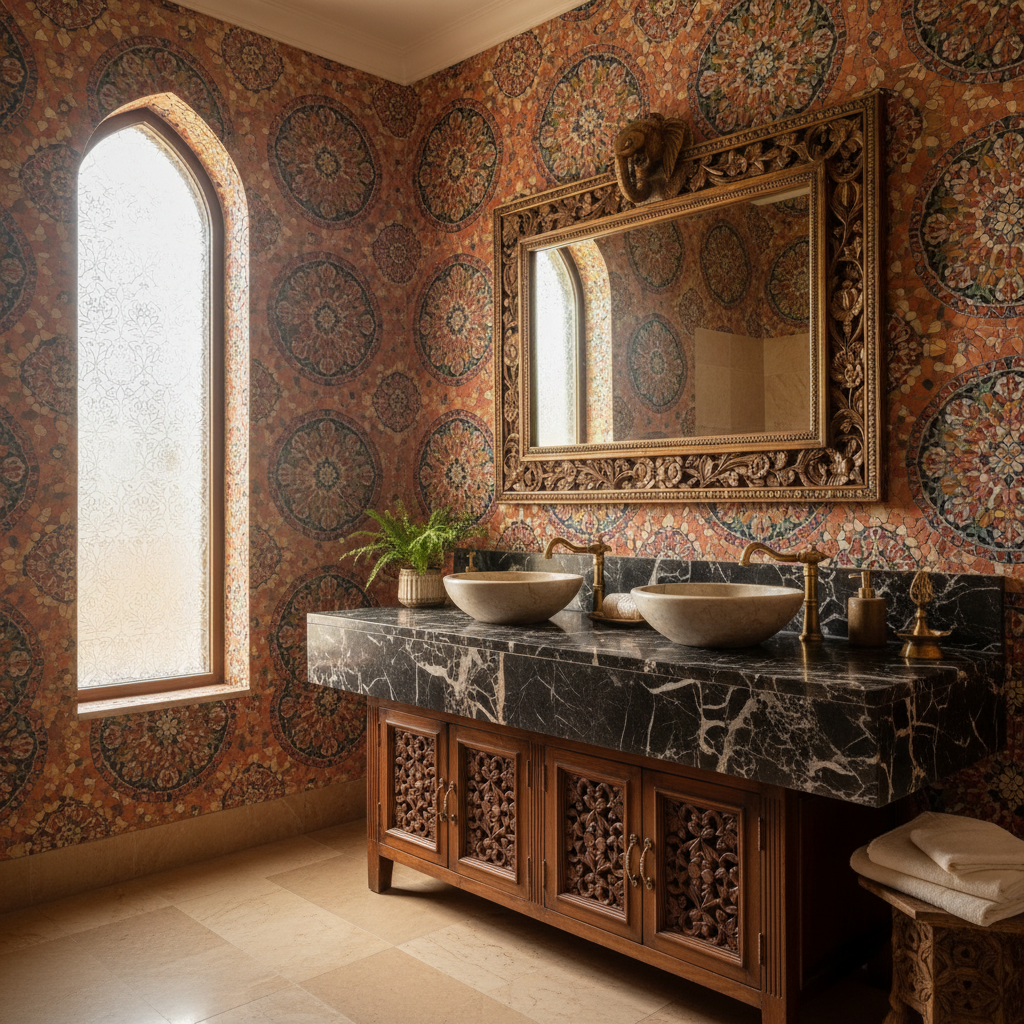
The foundation of any Indian-inspired space lies in its materials. For bathrooms, this means moving beyond sterile tiles and embracing the warmth and organic beauty of natural elements. Think about incorporating indigenous stones like Indian marble, granite, or slate for flooring, countertops, or even a feature wall. A dark green or deep brown Indian marble can create a stunning, opulent feel, while lighter sand-colored stones can offer a more minimalist yet rooted aesthetic. These materials are not only visually appealing but also durable and long-lasting, making them ideal for the demands of a bathroom.
Beyond stone, wood plays a crucial role in Indian design. Consider a beautifully carved wooden vanity unit, an intricately latticed screen (jali) as a room divider or window accent, or even wooden paneling on a portion of the wall. Teak, rosewood, or mango wood, known for their resilience and rich grain, can add a luxurious touch. For smaller bathrooms in apartments, even a wooden framed mirror or small wooden stool can introduce this organic texture without overwhelming the space. In larger homes, a grand wooden door with traditional carvings can set a majestic tone.
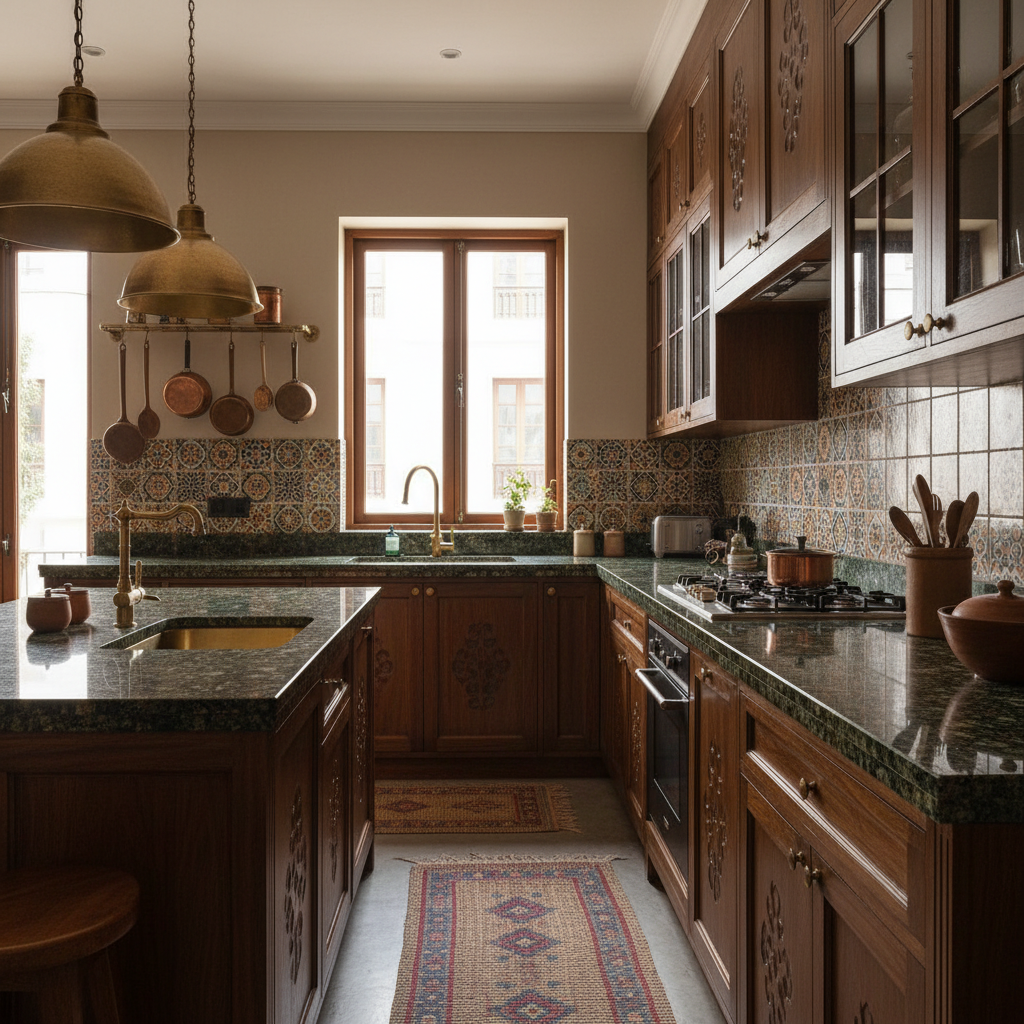
Complementing these primary materials, terracotta tiles or patterned ceramic tiles can introduce earthy warmth and traditional motifs. For instance, terracotta on the floor provides a rustic, inviting feel, perfect for a family home. Intricate ceramic tiles, perhaps with floral or geometric patterns reminiscent of Mughal art, can be used as a backsplash behind the sink or to create a striking accent strip in the shower area, adding visual interest without requiring a complete overhaul. The key is to blend these textures harmoniously, creating a layered and inviting atmosphere that feels authentically Indian.
Colors and Patterns with Cultural Flair
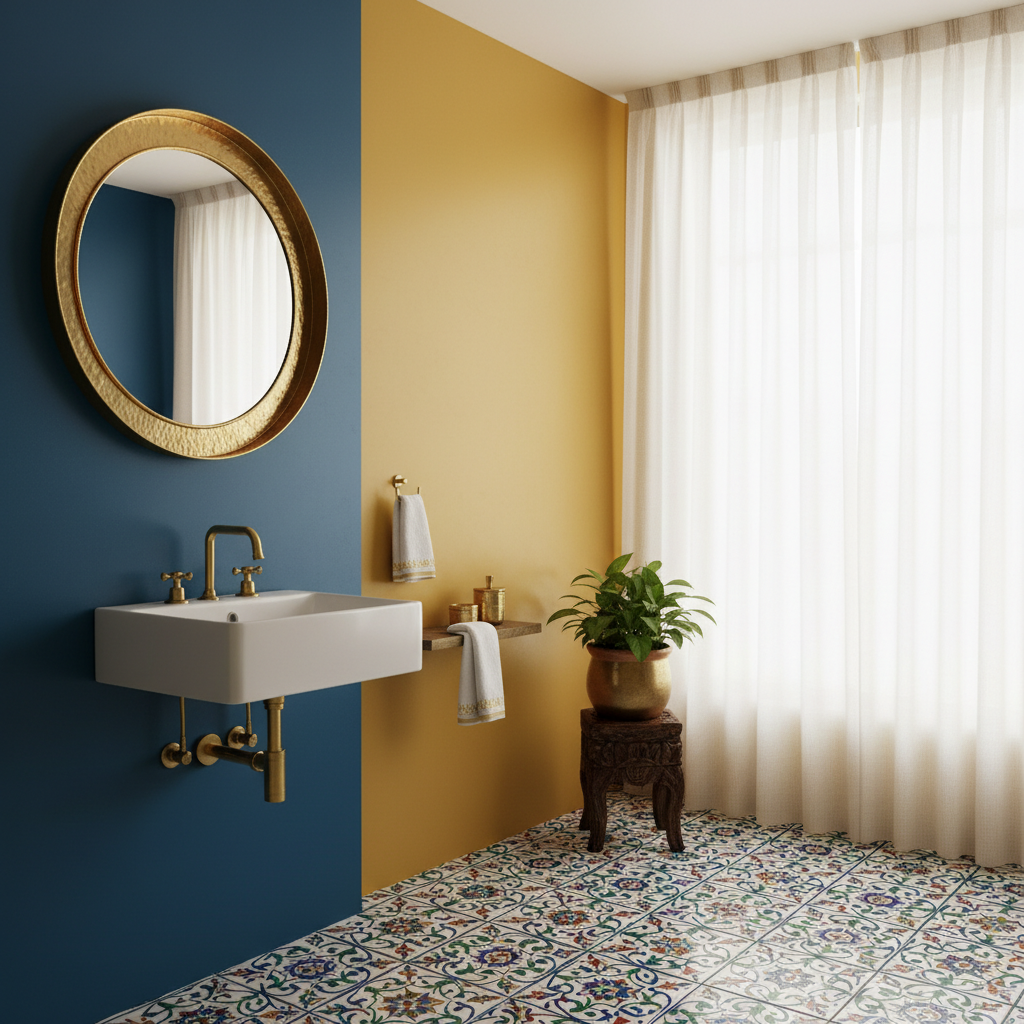
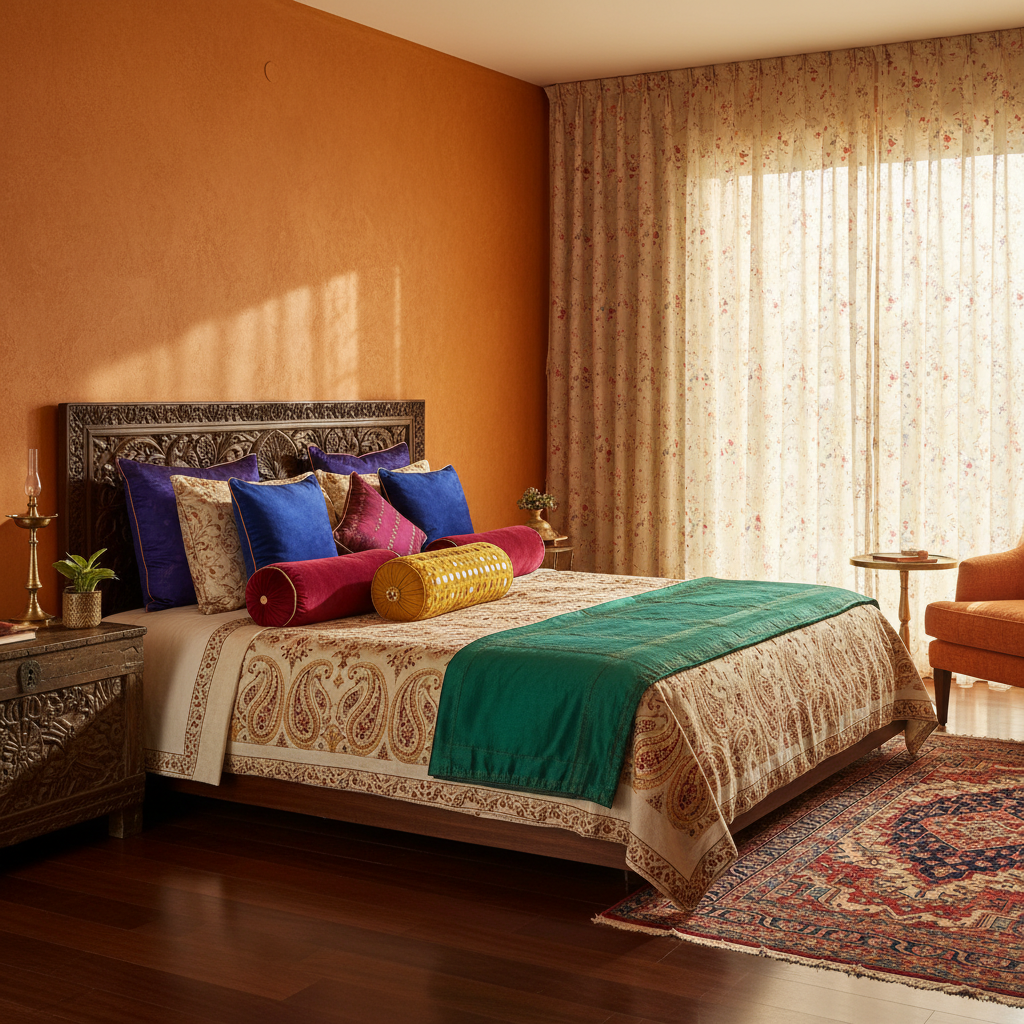
Color is the soul of Indian design, and your bathroom is the perfect canvas to express this vibrancy. Instead of typical neutral tones, explore a palette inspired by Indian textiles, spices, and landscapes. Deep jewel tones like emerald green, sapphire blue, ruby red, or regal purple can create an opulent and luxurious atmosphere, reminiscent of palaces. These rich colors can be applied to accent walls, painted cabinets, or even through patterned tiles. For compact urban bathrooms, using these bold colors sparingly, perhaps on one wall or through accessories, can make a significant impact without making the space feel smaller.
For those who prefer a more understated approach, earthy tones like terracotta, mustard yellow, and olive green can evoke a sense of grounding and natural beauty. These hues pair beautifully with natural wood and stone, creating a serene yet distinctly Indian ambiance. Consider a light beige or off-white as a primary wall color, then introduce pops of saffron or turmeric yellow through towels, artwork, or decorative bowls. This approach is versatile and works well in both large family homes and more minimalist apartment settings, allowing the homeowner to easily change the mood with accessories.
Patterns are indispensable in Indian design. Incorporate traditional Indian motifs through patterned tiles, wallpaper, or textiles. Floral patterns like paisley or lotus, geometric jali-inspired designs, or even abstract ethnic prints can add depth and character. A feature wall with traditional Indian block print wallpaper can be a stunning focal point. For a more subtle touch, patterned bath mats or shower curtains can introduce these elements. In a contemporary setting, consider large format tiles with a repeating traditional pattern to provide a modern twist on classic aesthetics, making the bathroom feel both fresh and culturally rich.
Lighting and Fixtures: A Blend of Tradition and Modernity
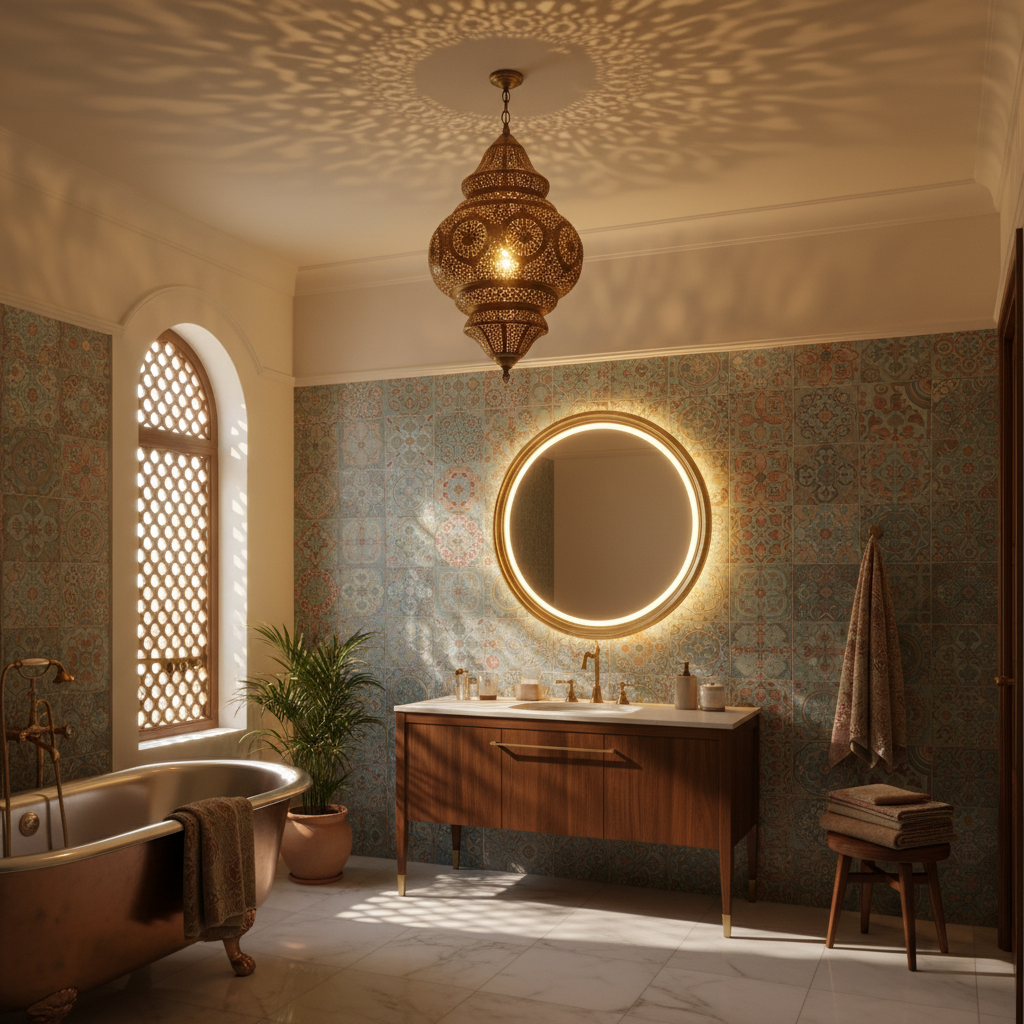
Lighting in an Indian-style bathroom should be thoughtful, creating a warm and inviting glow that highlights the textures and colors. Move beyond harsh overhead lighting and incorporate a mix of ambient, task, and accent lighting. Ornate brass or copper lanterns, either hanging from the ceiling or mounted on walls, can serve as stunning focal points while diffusing light beautifully. These traditional fixtures not only illuminate the space but also act as decorative elements, enhancing the overall Indian aesthetic. For smaller bathrooms, a single statement lantern can be incredibly effective, while larger spaces can accommodate multiple fixtures for layered illumination.
Consider incorporating dimmer switches for overhead lights to adjust the mood, creating a soft, spa-like ambiance for relaxation. Backlighting behind mirrors can add a contemporary touch while providing excellent task lighting. Natural light is also crucial; if you have a window, ensure it's not overly obstructed. Perhaps a delicate jali screen or a sheer, embroidered curtain can offer privacy without sacrificing daylight, connecting the bathroom to the outside while maintaining its cultural theme. In urban apartments, where natural light might be limited, strategic placement of warm LED strips can mimic the effect of natural sunlight.
When it comes to fixtures, brass and copper are quintessential to Indian design. Replace standard chrome faucets with polished brass or antique copper taps and showerheads. These metals develop a beautiful patina over time, adding to their character and authenticity. For homes aiming for a more luxurious feel, intricately designed brass towel racks or toilet paper holders can elevate the space. Even a simple washbasin can be transformed by placing a beautiful, handcrafted brass bowl as a decorative element or using a traditional brass pitcher for water. These metallic accents not only contribute to the aesthetic but also resonate with the heritage of Indian craftsmanship, making every interaction with the space feel special, whether in a sprawling bungalow or a compact apartment.
Conclusion
Crafting an Indian-style bathroom is about more than just aesthetics; it's about creating a space that resonates with cultural richness, comfort, and serenity. By thoughtfully incorporating natural materials, vibrant colors, traditional patterns, warm lighting, and exquisite decorative elements, you can transform your bathroom into a personal sanctuary. Remember, the beauty lies in the details and the harmonious blend of heritage with modern convenience, tailored to suit the unique character of your home.