Embrace Serenity Through Decluttering
The cornerstone of any minimalist design is decluttering. Begin your bathroom transformation by ruthlessly assessing every item you own. Ask yourself: Is this essential? Is it frequently used? Does it contribute to the overall aesthetic? Any item that doesn't meet these criteria should be removed, whether by discarding, donating, or relocating to another part of the house. The goal is to eliminate visual noise, allowing the architectural features and chosen materials to truly shine without distraction.
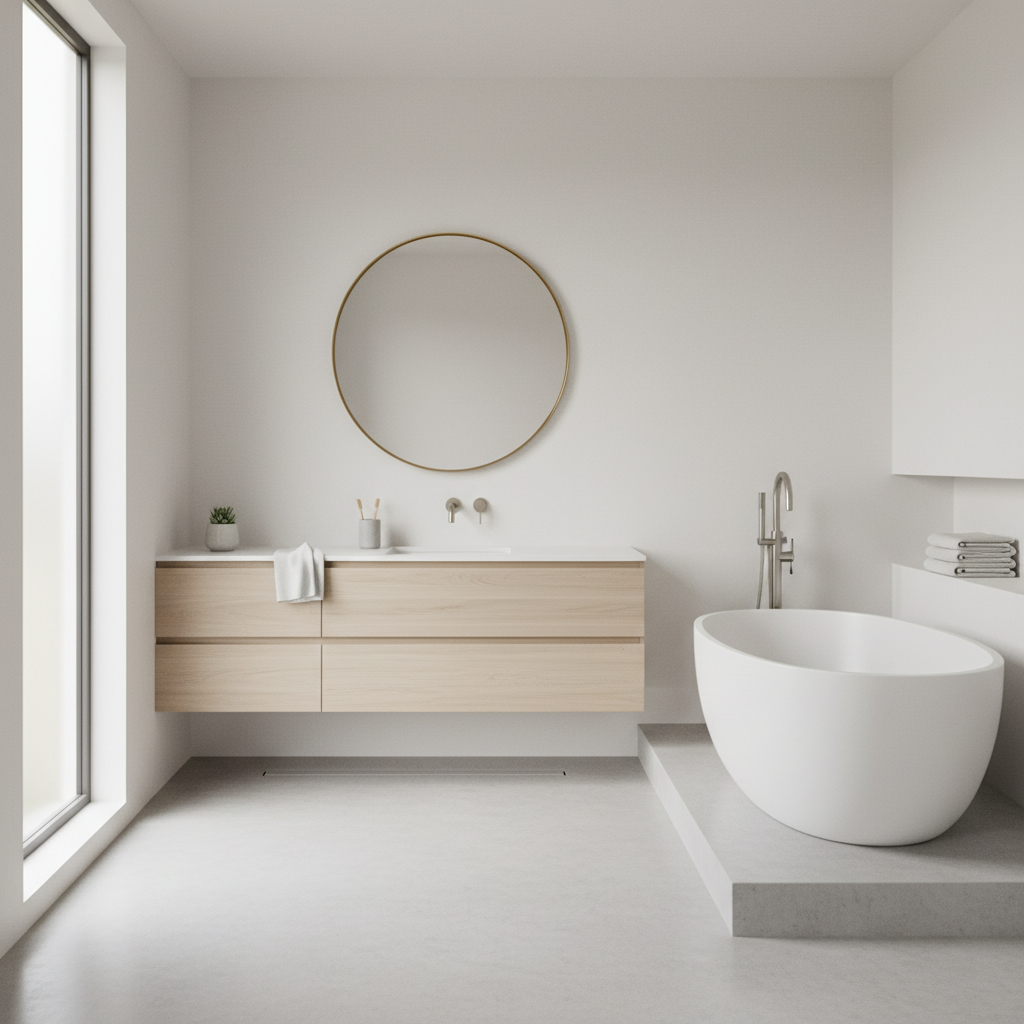
Once the excess is gone, focus on intelligent storage solutions. Wall-mounted vanities are excellent for freeing up floor space, giving the illusion of a larger room. Opt for vanities with integrated drawers and cabinets to keep toiletries, cleaning supplies, and towels out of sight. Recessed medicine cabinets or open shelving with neatly folded towels or a single decorative item can also contribute to a clean look without adding bulk. The key is to ensure everything has a designated place, making it easy to maintain the uncluttered aesthetic day after day.
Even items you keep should be thoughtfully curated. Instead of a multitude of colorful shampoo bottles, consider refilling elegant, uniform dispensers. Keep only your daily essentials on the countertop, such as a simple soap dish or a small, aesthetically pleasing plant. The less surface clutter, the more serene and expansive your bathroom will feel, inviting a sense of calm every time you enter.
Harmonious Hues and Natural Textures
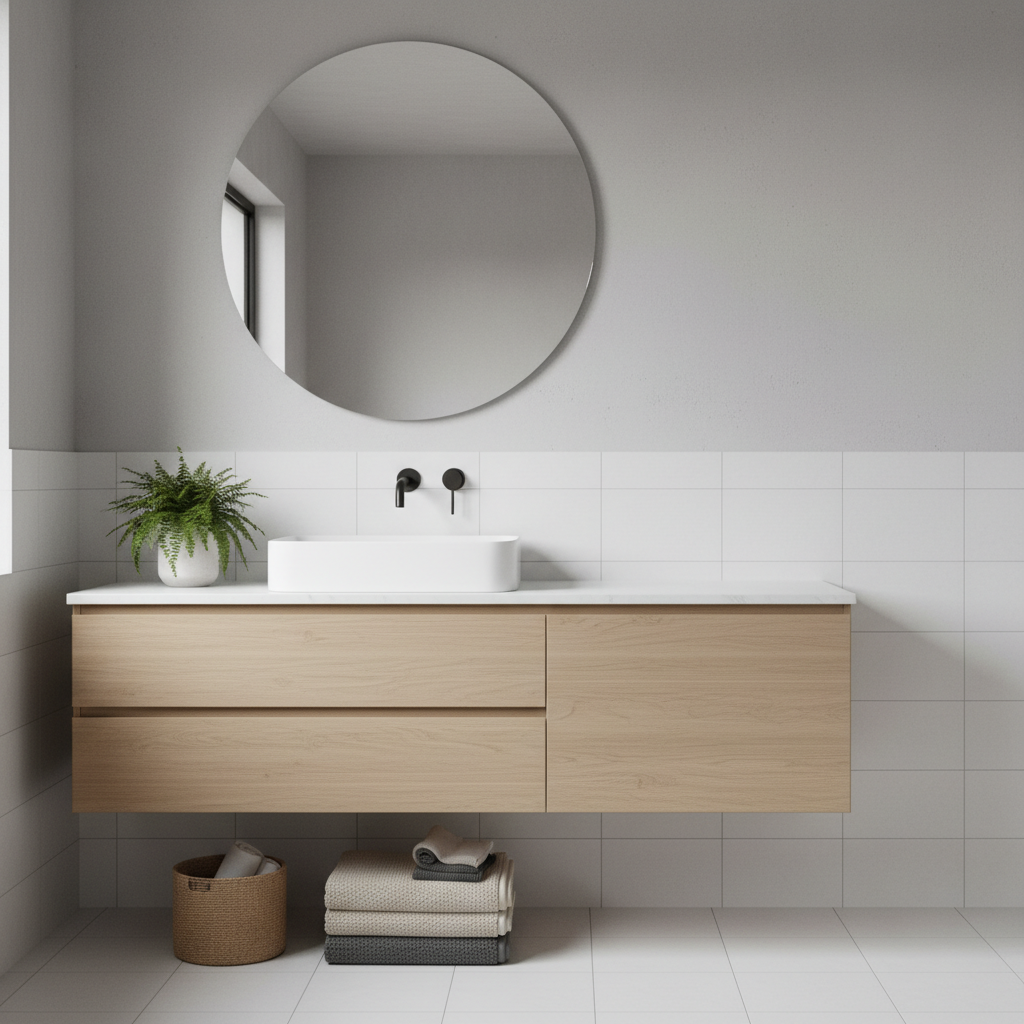
The color palette in a minimalist bathroom is typically restrained and calming. Think about soft, neutral tones like whites, off-whites, greys, and muted earthy shades. These colors create a sense of spaciousness and tranquility, acting as a perfect backdrop for the clean lines and simple forms characteristic of minimalism. While bright colors are generally avoided, subtle pops of color can be introduced through natural elements like a small green plant or carefully chosen bath linens, adding warmth without overwhelming the serene atmosphere.
Beyond color, the choice of materials plays a crucial role in defining the minimalist aesthetic. Natural materials are highly favored for their timeless appeal and inherent beauty. Consider large format tiles in muted tones for floors and walls, reducing grout lines and creating a seamless, expansive look. Materials like concrete, natural stone (travertine, marble with subtle veining), and wood bring texture and warmth without adding visual complexity. A concrete sink or a polished plaster wall can add an industrial edge that is still very much in line with minimalist principles.
Wood, especially light-toned varieties like oak or birch, can be incorporated through vanities, shelving, or even a slatted bath mat, introducing an organic touch that softens the harder surfaces. The interplay of these textures – the smoothness of ceramic, the roughness of concrete, the warmth of wood – adds depth and interest to the space without needing intricate patterns or excessive ornamentation. This careful selection of materials ensures durability, functionality, and an enduring, sophisticated appeal.
Sleek Fixtures and Thoughtful Illumination
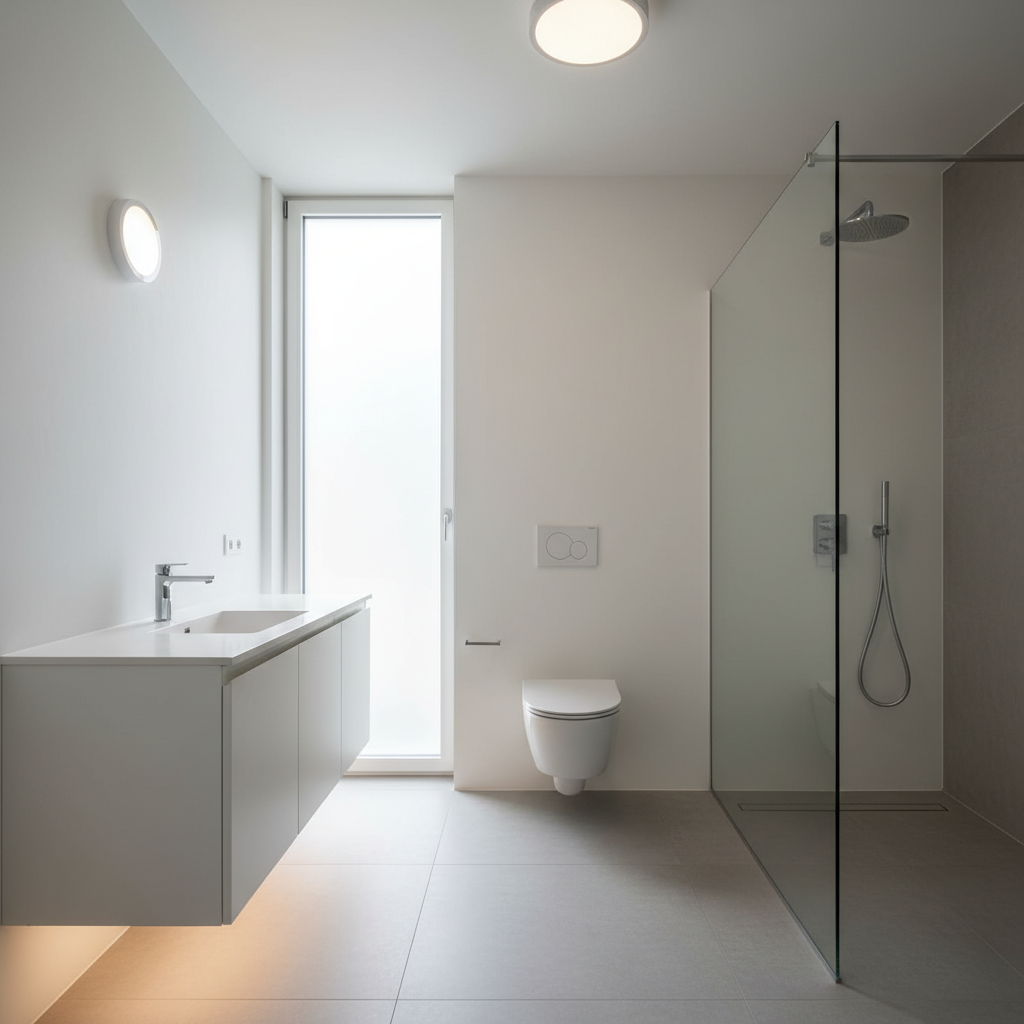
When selecting fixtures for a minimalist bathroom, prioritize clean lines, understated designs, and exceptional functionality. Wall-mounted toilets and sinks are excellent choices as they free up floor space, making the room easier to clean and visually more expansive. Faucets and showerheads should be simple, often featuring single levers or push-button controls, and come in finishes like brushed nickel, matte black, or polished chrome, chosen for their longevity and classic appeal rather than elaborate detail.
A frameless glass shower enclosure is almost a must for a minimalist bathroom. It creates an open, airy feel, allowing light to flow freely and avoiding the visual interruption of shower curtains or bulky frames. For bathtubs, consider a freestanding, sculptural tub with a simple form, positioned as a focal point if space allows. Otherwise, an integrated tub within the shower area can maintain the streamlined look. Every fixture should feel like it belongs, blending seamlessly into the overall design rather than standing out as a separate decorative piece.
Lighting is another crucial element that often gets overlooked but can dramatically impact the ambiance of a minimalist bathroom. Instead of ornate chandeliers, opt for recessed lighting, integrated LED strips under vanities or shelves, and subtle wall sconces. These provide ample illumination without drawing attention to the fixtures themselves. Dimmers are highly recommended, allowing you to adjust the lighting to suit different moods and activities, from bright task lighting for grooming to a soft, warm glow for a relaxing bath. Natural light should also be maximized wherever possible, enhancing the feeling of openness and connecting the interior with the outside world.
Conclusion
Creating a minimalist bathroom is an investment in tranquility and timeless style. By embracing the principles of decluttering, choosing a harmonious palette of natural materials, and selecting sleek, functional fixtures, you can transform your bathroom from a purely utilitarian space into a serene retreat. The beauty of minimalist design lies in its simplicity, its ability to reduce stress, and its focus on quality over quantity. It's about crafting an environment that feels spacious, clean, and utterly refreshing.